Which is best talwar for wedding
Overview
In many Indian weddings—especially Rajput, Rajasthani, and some Sikh ceremonies—the groom carries a ceremonial sword as a symbol of honor, protection, and responsibility. Today, most couples choose a decorative, unsharpened talwar (curved Indian saber) for photos, rituals, and stage entries.
What makes a great wedding talwar
- Safety first: Choose an unsharpened (blunt) blade with a rounded tip; confirm it’s ceremonial or a replica, not a functional weapon.
- Comfortable handling: A balanced piece (roughly 800 g–1.5 kg) with a secure grip so it’s easy to hold during long photo sessions.
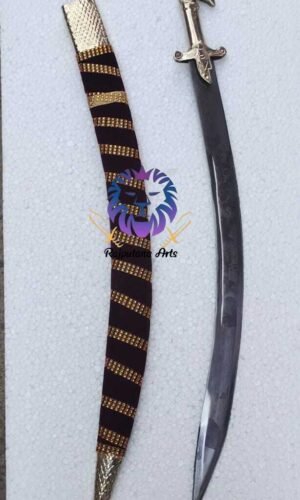
- Elegant scabbard: Velvet or brocade with zari work, or leather-wrapped scabbards that complement the groom’s attire.
- Craft detailing: Koftgari (gold/silver inlay), meenakari, filigree, or etched motifs add a regal touch without being flashy.
- Durable finish: Mirror-polish stainless for easy care, or patterned “Damascus-style” for a heritage look (still blunt for safety).
Popular styles for weddings
- Rajput talwar: Curved blade, D-guard, and disc pommel; pairs beautifully with safa/pagdi and angarkha or sherwani.
- Mughal-inspired talwar/shamshir: More pronounced curve and delicate profile; elegant with achkans or Indo-western silhouettes.
- Khanda (straight-blade alternative): Traditional in some regions; creates a bold, royal statement with layered brocade scabbards.
- Sikh ceremonial blade: If you’re observing Sikh maryada, follow religious guidelines for kirpan size, appearance, and respectful carry.
Choosing size and proportions
- Overall length: Commonly 28–34 inches (including hilt). Taller grooms can
opt slightly longer for visual balance.- Hilt fit: Ensure the grip suits your hand size and that the guard doesn’t snag on embroidered sleeves.
- Visual balance with attire: Ornate hilts suit richly embroidered sherwanis; simpler brass finishes complement minimal, modern looks.
Matching with attire and theme
- Color palette: Gold/brass tones flatter ivory, cream, or gold sherwanis; silver/nickel suits pastels and cool tones.
- Embellishments: Stone-studded or enamel accents can echo the bride’s jewelry or the groom’s brooch/sarpech.
- Scabbard fabric: Velvet in maroon, emerald, or royal blue works well for traditional themes; ivory or black for contemporary palettes.
Customization ideas
- Engraving: Names, wedding date, or a short blessing/mantra on the blade spine or scabbard chape.
- Crest/monogram: Family emblem or initials on the pommel or guard.
- Coordinated tassels: Silk sword-knot or ribbons matching the safa or pocket square.
Safety and etiquette (essential)
- Keep it sheathed in public spaces and during most of the ceremony.
- Use a peace-tie (a discrete ribbon or strap) so the blade cannot be drawn inadvertently.
- Assign a handler (best man or cousin) to carry and store it between shoots.
- Never bring it into restricted zones (airports, government buildings); check local/state laws and venue policies well in advance.
- Keep away from children and avoid handling after alcohol.
- For Sikh ceremonies, observe religious protocols for respectful carry.
Care and maintenance
- Wipe fingerprints promptly with a soft microfiber cloth to avoid spotting.
- Lightly oil a carbon-steel blade; stainless needs minimal upkeep.
- Store dry with silica gel; avoid long-term storage in leather sheaths (can trap moisture).
- Transport in a padded case; don’t display in direct sunlight or humid areas.
Budget and value of Talwar in India
- Decorative replicas span a wide range depending on craftsmanship, materials, and handwork.
- You’ll pay more for detailed koftgari, custom engraving, premium scabbards, and matched sets (e.g., with a stand).
- Prioritize craftsmanship and safety features over extreme ornamentation if you’ll carry it for extended periods.
Quick checklist when evaluating a ceremonial piece
- Blade is explicitly unsharpened with a rounded tip.
- Hilt feels secure; no play between blade and guard.
- Scabbard fits snugly; won’t slip off during movement.
- Finish quality: even plating/polish, no sharp burrs on fittings.
- Weight and balance feel comfortable for 10–15 minutes of holding.
- Clear return/repair policy and delivery timeline that fits your wedding schedule.
Alternatives if your venue has restrictions
- Wooden or acrylic prop swords finished in metallic paint.
- Foam-core props for baraat/dance sequences.
- Decorative scabbard-only carry (no blade) for photos.
Where to Purchase Best Talwar for Wedding
Rajputana Arts is Manufacturer and Wholeseller you can Buy Any wedding talwar from
FAQs
- Real vs. replica—what’s best? For weddings, a ceremonial replica with a blunt edge is the safest and most venue-friendly choice.
- Can I travel with it? Don’t carry blades in public transit or flights. For destination weddings, ship in accordance with local laws and venue policies; never attempt to bring it in carry-on luggage.
- Is Damascus worth it? Patterned steel looks premium, but for a wedding talwar the edge is decorative—craftsmanship of the hilt and scabbard often makes a bigger visual impact.
If you’d like, tell me your wedding theme, sherwani color, and how you plan to use the talwar (photos, entry, rituals). I can suggest style, finish, and customization ideas that fit your look—while keeping everything ceremonial and safe.
.jfif)
Comments
Post a Comment